

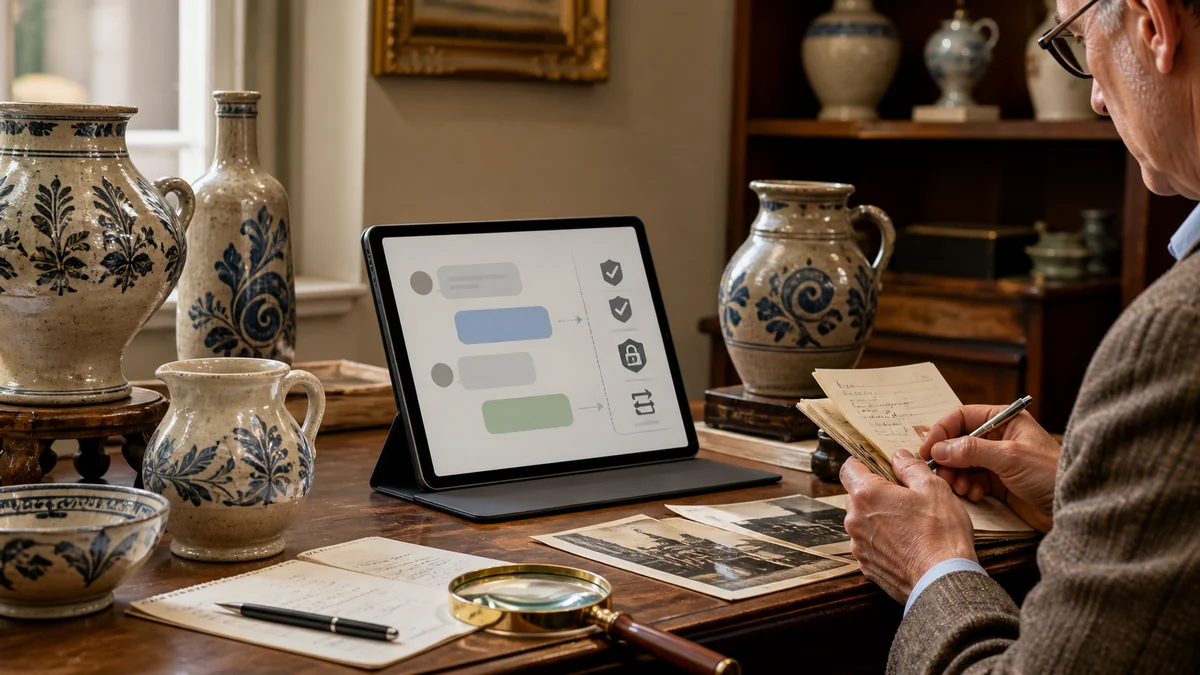
The antique ceramic and Normandy stoneware market relies heavily on trust, expertise, and discretion. As collectors and dealers increasingly move their interactions online, the methods used to communicate must reflect the sensitivity of the items being discussed. When a collector reaches out to an antique dealer, they are often sharing information about valuable, rare, or historically significant pieces. This initial contact is a critical moment where the foundation of a professional relationship is built. Incorporating a website chat widget can facilitate this initial connection, offering a seamless way for visitors to ask questions without the friction of composing a formal email. However, the implementation of such technology requires careful consideration of privacy and data handling. Dealers must ensure that the convenience of instant messaging does not compromise the confidentiality of the collectors or the provenance of the stoneware in question.
The Unique Challenges of Discussing Antique Ceramics Online
Protecting Provenance and Ownership Details
Provenance is the lifeblood of the antique market. The documented history of a piece of Normandy stoneware—its previous owners, its exhibition history, and its origin—directly impacts its authenticity and valuation. When a collector initiates a chat on a dealer’s website, they may be eager to share these details to gauge interest or request an appraisal. However, sharing comprehensive provenance documentation through an unsecured or automated chat interface presents significant privacy risks. A chat widget should be configured to discourage the immediate transmission of sensitive documents. Instead, it should act as a preliminary screening tool, guiding the user to a more secure channel for sharing detailed ownership history. Dealers must be proactive in setting these boundaries to protect the collector’s privacy and the integrity of the item’s historical record.
Furthermore, the mere knowledge that a specific individual possesses a highly valuable antique ceramic jug can be sensitive information. Collectors may wish to remain anonymous during the initial stages of inquiry to avoid unwanted solicitation or security concerns. A well-designed chat interface respects this desire for anonymity. It allows users to ask general questions about the dealer’s inventory, areas of expertise, or accepted payment methods without requiring them to input their full name, address, or phone number. By minimizing data collection at the outset, dealers demonstrate a commitment to privacy that resonates strongly with experienced collectors.
Evaluating Communication Tools for Dealers
The Role of Live Chat in Niche Markets
For dealers specializing in Normandy stoneware and antique ceramics, a chat widget is not just a customer service tool; it is a mechanism for lead generation and relationship building. It provides a low-barrier entry point for individuals who might be hesitant to make a phone call or write a detailed email. However, the chat tool must align with the professional image of the dealership. It should not be overly intrusive or aggressively promotional. The design and functionality of the widget should reflect the quiet, considered nature of the antique trade. When evaluating different chat solutions, dealers should prioritize those that offer high levels of customization, allowing them to tailor the automated greetings, away messages, and response prompts to suit their specific audience.
Data Minimization Principles
The principle of data minimization is central to respecting collector privacy. This principle dictates that a business should only collect the personal data that is strictly necessary to fulfill a specific purpose. In the context of a website chat widget, this means resisting the urge to ask for a phone number or a physical address before a meaningful conversation has even begun. The initial interaction should require, at most, an email address so that the dealer can follow up. Even then, it is often best to allow the user to initiate the chat anonymously and only request contact information if the conversation necessitates a follow-up outside the chat window.
When selecting a chat platform, it is crucial to review its data retention policies. Dealers should understand how long the chat provider stores conversation transcripts and whether the dealer has the ability to delete these records permanently. In the antique trade, where confidentiality is paramount, retaining detailed logs of early-stage inquiries indefinitely is an unnecessary risk. A robust pre-install checklist should include a review of the provider’s privacy policy, ensuring it aligns with the dealer’s own standards for data protection and minimization.
Selecting the Right Tool for the Job
Finding a suitable chat solution does not necessarily require a significant financial investment upfront. Dealers who want to understand how their visitors interact with conversational interfaces can review this guide to a free AI chatbot for website, then compare the options against their own privacy, retention, handoff, and export checklist. A free tier is useful as a limited test environment, but it is not proof that a tool meets a dealer’s requirements. Confirm the current controls in the exact product and account before asking collectors to use it.
Configuring Automated Greetings
The automated greeting is the first point of contact and sets the tone for the entire interaction. It should be polite, professional, and transparent about the nature of the chat. For example, a greeting might say, “Welcome. We specialize in Normandy stoneware and antique ceramics. How can we assist you today? Please note that this chat is for general inquiries and we cannot provide valuations here.” This immediately establishes the boundaries of the platform and prevents users from sharing sensitive information prematurely. The greeting should also provide a clear path to human assistance, explaining how the user can reach the dealer directly if their question requires specialized expertise.
Setting Boundaries on Valuation
As previously mentioned, the chat interface is not the place for appraisals. If the selected tool supports reviewed keyword responses, the dealer can configure terms such as “price,” “value,” or “appraisal” to display a standard explanation of the valuation process. Otherwise, place that notice prominently beside the chat entry point. The message can explain that antique ceramics require human review and tell collectors which approved channel to use for photographs and condition reports. This boundary helps staff handle valuation requests consistently without implying that an automated response is an appraisal.
Educating Collectors Before They Chat
Guiding Them on Condition and Repairs
A well-informed collector is a better client. Before a visitor even initiates a chat, the website should provide comprehensive resources that address common questions and concerns. This not only reduces the volume of basic inquiries handled by the chat widget but also demonstrates the dealer’s expertise. For example, a dedicated section on the website discussing common issues with stoneware can be incredibly valuable. By providing resources on identifying repairs on antique stoneware, you empower the collector to examine their own pieces more critically before reaching out for an opinion. This pre-education ensures that when a conversation does occur, it is grounded in a shared understanding of the item’s condition.
Advice on General Care
Similarly, providing guidance on how to properly handle and preserve these delicate items builds trust and authority. Many collectors, especially those new to the field, have questions about cleaning, display, and environmental controls. Creating detailed guides on examining caring for antique ceramic jugs serves as a proactive customer service tool. When a chat inquiry does arise regarding care and maintenance, the automated workflow can easily direct the user to these comprehensive articles, providing immediate assistance while freeing up the dealer’s time for more complex interactions.
Creating a Workflow for Chat Interactions
Initial Contact and Inquiry Triage
The workflow for managing chat interactions must be systematic. The primary goal of the chat widget is triage: identifying the nature of the user’s request and routing it appropriately. For a small dealership, this might involve categorizing chats into distinct buckets: inventory inquiries, selling inquiries, research questions, and general support. The chat platform should be configured to ask clarifying questions that help sort the user into the correct category. Once categorized, the inquiry can either be addressed by an automated response (such as linking to a care guide) or flagged for human review. This systematic approach ensures that high-priority inquiries, such as a collector looking to purchase a specific piece of Normandy stoneware, are identified and addressed promptly.
Transitioning to Secure Channels for Sensitive Data
The most critical aspect of the chat workflow is the handoff protocol. When a conversation progresses to the point where sensitive information—such as provenance documents, detailed photographs, or negotiation terms—needs to be exchanged, the dealer should move it to an approved channel whose handling and retention practices have been documented. The handoff notice should tell the collector what not to send in chat, which channel to use, who can access it, and when the material will be removed. This operational checklist is not legal advice; dealers should confirm the obligations that apply to their business and customers.
Recommended Data Handling Stages
To further clarify the process, the following table outlines a recommended approach for handling different types of information during the initial stages of communication.
| Stage of Interaction | Type of Information Discussed | Recommended Channel | Privacy Focus |
|---|---|---|---|
| Initial Inquiry | General questions about inventory, expertise, or business hours. | Website Chat Widget | Anonymity preserved; no personal data required. |
| Request for Information | User wants more details on a specific item listed on the site. | Website Chat Widget | Email address collected for follow-up; conversation remains general. |
| Selling or Valuation Request | User wishes to sell an item or receive an appraisal. | Transition to Email | Chat used only to explain the process and identify the dealer’s approved follow-up channel. |
| Provenance Exchange | Sharing detailed history, ownership documents, and high-resolution images. | Approved Follow-Up Channel | Access, retention, and deletion rules are documented before materials are requested. |
Managing Expectations for Response Times
One of the pitfalls of implementing a chat widget is the expectation of instant gratification. Visitors often assume that a chat box implies immediate, live assistance. For small antique dealers, this is rarely possible. It is imperative to manage these expectations proactively. If the chat is not monitored live, the automated greeting must state this clearly. For example, “Thank you for contacting us. We review chat inquiries daily and will respond via email within 24 hours.” This transparency prevents frustration and builds trust. The chat tool should also have clear “away” modes that activate outside of business hours, ensuring that users are never left waiting for a response that will not arrive immediately. By setting clear boundaries regarding response times, dealers can utilize the convenience of chat without being beholden to a 24/7 support schedule.
Conclusion
Integrating a chat widget into a website dedicated to antique ceramics and Normandy stoneware can be a powerful way to connect with collectors and enthusiasts. However, the unique nature of this market demands a communication strategy that prioritizes privacy, discretion, and professionalism. By implementing a thoughtful pre-install checklist, dealers can ensure their chat tools are configured to minimize data collection, prevent premature valuations, and facilitate a secure handoff to human experts. The technology should serve as a welcoming entry point, guiding visitors toward the comprehensive resources available on the site and establishing the foundation for a trusting relationship. When configured with care and a clear understanding of the collector’s needs, a chat widget becomes an invaluable asset for navigating the delicate initial stages of the antique trade.


0 Comments